Your Secret To Stronger Bones
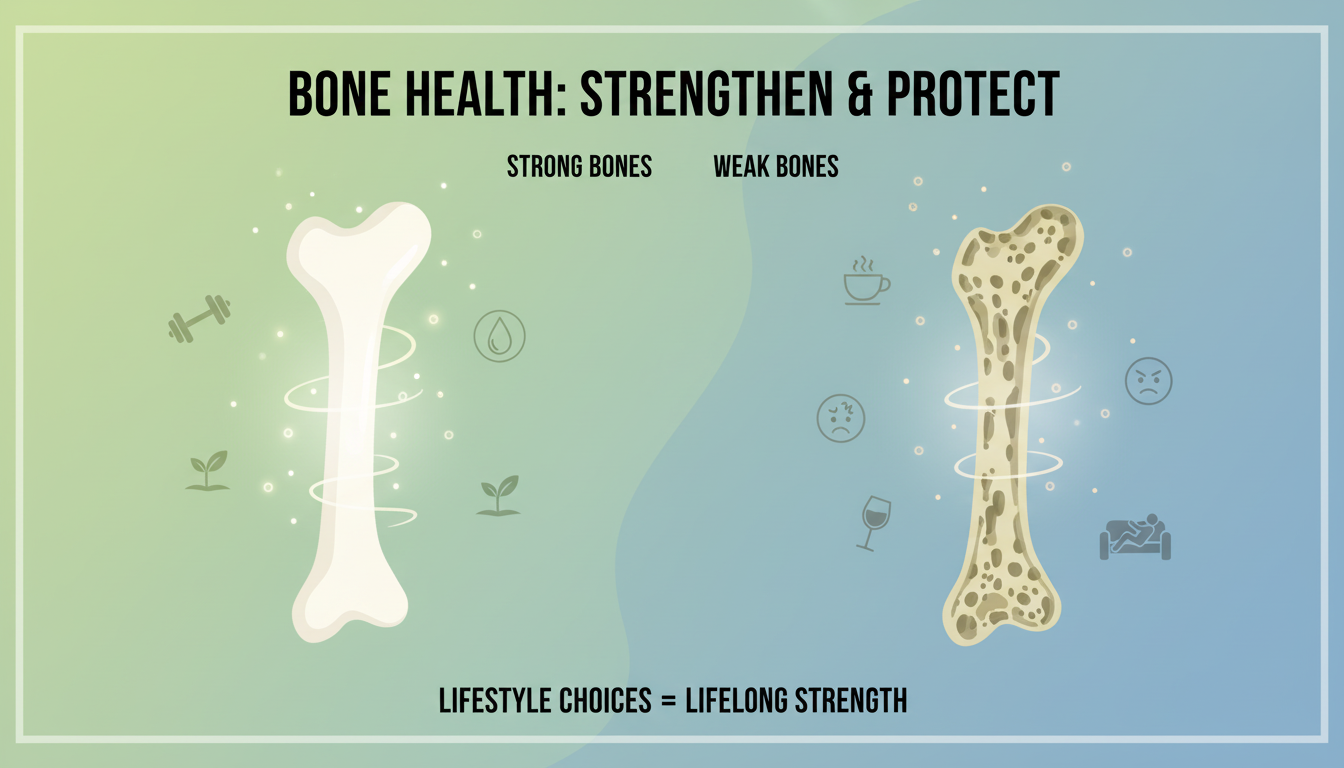
Understanding Calcium Loss and Bone Density: Your Guide to Stronger Bones
Your bones are remarkable living tissues that constantly rebuild themselves throughout your life. But here’s something that might surprise you: the lifestyle choices you make today are actively shaping the strength of your skeleton for decades to come. Let’s explore how calcium loss affects your bone density and, more importantly, how you can take control of your bone health starting right now.
The Calcium-Bone Density Connection
Think of your bones as a calcium bank account. Throughout your life, you’re either making deposits or withdrawals. Calcium is the primary mineral that gives your bones their strength and structure—about 99% of the calcium in your body is stored in your bones and teeth.
When your blood calcium levels drop, your body doesn’t just accept the deficit. Instead, it withdraws calcium directly from your bones to maintain critical functions like muscle contraction, nerve signaling, and heart rhythm. If you’re constantly withdrawing more calcium than you’re depositing, your bones gradually become porous and weak—a condition known as low bone density or, in its advanced stage, osteoporosis.
The impact is real: Reduced bone density means your bones become fragile and prone to fractures from even minor falls or everyday activities. But here’s the empowering truth—much of this is within your control.
Lifestyle Factors That Drain Your Calcium Reserves
1. A Sedentary Lifestyle: Use It or Lose It
Your bones respond to the demands you place on them. When you live a sedentary life, your body interprets this as a signal that strong bones aren’t necessary, leading to decreased bone formation and increased calcium loss.
The good news: Weight-bearing and resistance exercises actually stimulate bone formation. Activities like walking, dancing, hiking, strength training, and even gardening send signals to your bones to maintain their density and strength. You’re literally building stronger bones with every step and lift.
2. Caffeine: The Subtle Calcium Thief
Love your morning coffee? You don’t have to give it up, but it’s important to understand the relationship. Caffeine increases calcium excretion through urine and can slightly decrease calcium absorption in your intestines. While moderate consumption (about 2-3 cups of coffee daily) typically won’t cause significant problems for most people, excessive intake can contribute to calcium depletion over time.
Your action step: Balance your caffeine intake with adequate calcium consumption. Consider adding milk to your coffee, or ensure you’re getting calcium-rich foods throughout the day to offset any losses.
3. Chronic Stress: The Hidden Bone Destroyer
Stress isn’t just in your head—it’s in your bones too. When you’re chronically stressed, your body produces elevated levels of cortisol, a hormone that directly interferes with bone formation and increases calcium excretion. Long-term stress essentially accelerates bone loss while simultaneously slowing down bone rebuilding.
The inspiration: Managing stress isn’t just about feeling better emotionally; it’s about protecting your physical foundation. Meditation, deep breathing, yoga, adequate sleep, and joyful activities aren’t luxuries—they’re investments in your bone health.
4. Alcohol: A Direct Bone Burden
Alcohol consumption affects bone density through multiple pathways. It interferes with calcium absorption in your intestines, disrupts the balance of hormones that regulate bone metabolism, and can directly damage bone-forming cells. Heavy drinking is particularly harmful, but even moderate consumption can impact bone health over time.
The empowering choice: If you drink, moderation is key. The occasional glass of wine with dinner is generally fine, but making alcohol a daily habit can compromise your bone density. Every conscious choice to limit alcohol is a choice to protect your bones.
Your Bones Are Worth Fighting For
Here’s what makes this information so powerful: you have agency. Unlike many health conditions influenced primarily by genetics, bone density is significantly shaped by your daily choices.
Every time you:
- Take a walk instead of sitting
- Choose water over that third cup of coffee
- Practice stress-reduction techniques
- Opt for a nutritious meal instead of alcohol
- Engage in strength training
…you’re actively depositing into your bone bank account.
Moving Forward with Confidence
Your bones have carried you through every moment of your life. They’ve supported you through challenges, celebrated with you during victories, and literally provided the framework for all you’ve accomplished. They deserve your attention and care.
The lifestyle factors we’ve discussed—sedentary behavior, excess caffeine, chronic stress, and alcohol—are all modifiable. You don’t need to achieve perfection. Start with one small change. Maybe it’s a 15-minute walk after dinner, or swapping one coffee for herbal tea, or trying a 5-minute meditation app, or having two alcohol-free days per week.
Small, consistent actions compound over time. Your future self—standing strong, active, and independent decades from now—will thank you for the deposits you’re making today.
Your bones are counting on you. And the beautiful truth? You’re more than capable of rising to the occasion.
Remember to consult with your healthcare provider about your individual bone health needs, especially if you have risk factors for osteoporosis or other bone conditions. They can provide personalized guidance and may recommend bone density testing if appropriate.