The Best Way to Stay Healthy for Life
We all want to know: What’s the best exercise to stay healthy and strong as we age?
The truth is, there’s no one-size-fits-all routine. But there are certain types of movement that consistently support lifelong strength, energy, and resilience.
If you want to train not just for fitness — but for longevity (like me) — focus on two powerful foundations:
- Daily functional movement patterns
- Injury prevention and recovery exercises
These two areas build strength, stability, and confidence in how you move — today and decades from now.
Daily Movement: Training for Life
Functional training means practicing the fundamental movements your body uses every day. These are the motions that help you move freely, stay independent, and enjoy your favorite activities without pain or fatigue.
They include:
- Squat
- Hinge
- Lunge
- Push
- Pull
- Twist (or anti-rotation)
- Gait (your walking pattern)
These movements are simple, yet incredibly powerful.
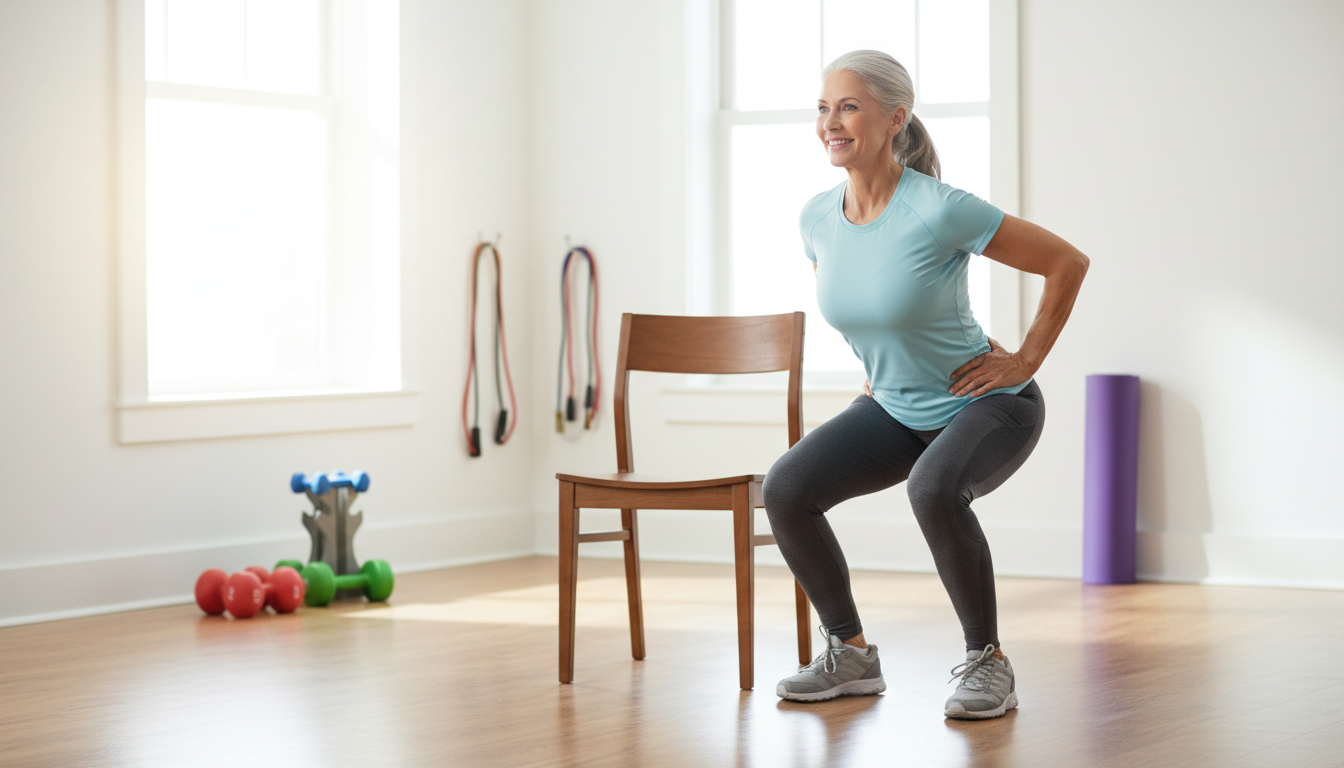
- Squats help you get up from a chair, out of a car, or off the floor.
- Hinges train you to lift safely — like picking up a pet or suitcase.
- Pushes and pulls mimic everyday tasks like closing doors or carrying groceries.
These types of resistance-based movements are key to staying “strong, capable, and independent” into later decades of life.
A consistent routine built around functional movement supports:
- Muscle retention and joint flexibility
- Stronger bones and better balance
- Improved cardiovascular health
- Healthier metabolism and posture
This kind of training doesn’t just add years to your life — it adds life to your years.
Injury Prevention: Protecting the Body That Carries You
It’s easy to underestimate the power of injury prevention — but this is where true longevity training happens.
As the saying goes, “An ounce of prevention is worth a pound of cure.” Smart, consistent maintenance keeps your body adaptable and reduces setbacks that can derail long-term health.
Even the most elite athletes use prehabilitation and recovery practices to maintain performance and stay injury-free. As longevity expert Dr. Isaac Jones emphasizes, the best exercise programs balance recovery, stability, strength, and endurance to build resilience over decades, not just seasons healthexpertsalliance.com.
Your personal injury prevention toolkit might include:
- Stretching and mobility work
- Foam rolling and massage tools
- Corrective or physical therapy–based exercises
- Balance and foot-strength training
- Gentle core and diaphragmatic breathing practice
These routines may not feel exciting, but they are your long-term insurance policy for movement and vitality. They help reduce inflammation, improve recovery, and keep you enjoying the active lifestyle you love and want to continue.
Longevity Comes from Variety
Research also shows that variety in movement is just as important as consistency. A study following over 111,000 adults found that people who practiced a greater mix of exercise types had a 19% lower risk of premature death compared to those who stuck to one kind of workout health.yahoo.com.
This means strength work, walking, yoga, hiking, mobility drills — all of it counts. The key is to move in different ways that challenge your body to stay adaptable.
The Bottom Line
The best exercise isn’t a single workout — it’s a mindset of moving with purpose.
Functional training builds the capability to live and move well, while injury prevention ensures you can keep doing it — for life.
Combine strength, balance, endurance, and recovery, and you’re training not just for fitness goals, but for longevity itself.
Move well. Move often. Take care of your body so it can carry you fully into the years ahead.
Changing it up daily,
Colleen
Thrive Yoga & Fitness
Helping You Train Smart, Recover Deep, and Age Strong.